Subscribe
Share
Share
Embed
Ducks Unlimited Podcast is a constant discussion of all things waterfowl; from in-depth hunting tips and tactics, to waterfowl biology, research, science, and habitat updates. The DU Podcast is the go-to resource for waterfowl hunters and conservationists. Ducks Unlimited is the world's leader in wetlands conservation.
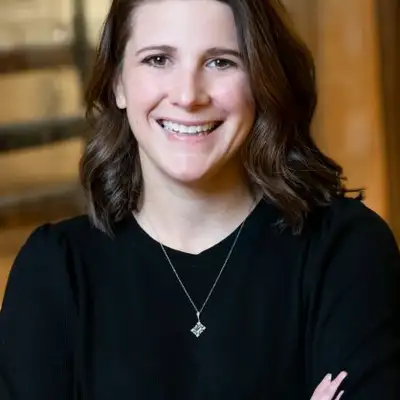
Hi, everybody. Welcome to the Ducks Unlimited podcast. I'm your host, Katie Burke. And today on the show, I am in Reelfoot Lake, and I have call maker, Farrel Charpinteir TA. Good.
Katie Burke:I did it. I did it.
VO:Can we do a mic check, please?
VO:Everybody, welcome back to the Ducks on the Podcast. I'm your host, doctor Mike Brasher. I'm your host, Katie Burke. I'm your host, doctor Jared Henson. And I'm your host, Matt Harrison.
VO:Welcome to the Ducks Unlimited podcast, the only podcast about all things waterfowl. From hunting insights to science based discussions about ducks, geese, and issues affecting waterfowl and wetlands conservation in North America. The DU podcast, sponsored by Purina Pro Plan, the official performance dog food of Ducks Unlimited. Purina Pro Plan, always advancing. Also proudly sponsored by Bird Dog Whiskey and Cocktails.
VO:Whether you're winding down with your best friend or celebrating with your favorite crew, Bird Dog brings award winning flavor to every moment. Enjoy
Katie Burke:I'm your host, Katie Burke. And today on the show, I am in Reelfoot Lake, and I have call maker, Farrel Charpenteir.
Farrell Charpenteir:Good.
Katie Burke:I did it.
Farrell Charpenteir:You did it.
Katie Burke:Anyways, Frel, you're from South Louisiana. You're a call maker there. I'm guessing you grew up in South Louisiana.
Farrell Charpenteir:Born and raised in South Louisiana.
Katie Burke:Alright. I mean and people will able to hear that when you talk.
Farrell Charpenteir:People people always comment on the accent. Yeah. And one of my comebacks is if you think I sound funny, you ought to hear the way you sound. So that kinda breaks the ice on the accent, dear.
Katie Burke:When I go up my husband's from Massachusetts, so when I go up there, they think I have a really thick accent. But when I and I don't think I have that thick of an accent. But when I lived in Philadelphia, people would come up to me and they'd go, do you have an accent? I'm like, do I?
Farrell Charpenteir:Do I?
Katie Burke:Good. Good comeback. True. I was like, such a weird way to ask that question. Most people are like, where are you from?
Katie Burke:That's probably the easiest one.
Farrell Charpenteir:The easiest way.
Katie Burke:Yes. Alright. So we are at Real Foot. Why are we here? Can you like kinda talk a little I talked a little bit about this in my interview with Doug Nelson, but I'm not sure what order these will come out in.
Katie Burke:So can you, like, kind of talk about this event that we're at here in Real Foot Lake?
Farrell Charpenteir:Well, this event started from what I understand way back before I ever even heard about it.
Katie Burke:Okay.
Farrell Charpenteir:And I got involved in it through a friend that helped mentor me into Duck Call Macon, and we can talk about him Yep. About twelve, thirteen years ago.
Katie Burke:Okay.
Farrell Charpenteir:And I've been here ever since. I've missed two years. Well, we've all missed two years because of COVID. Right. And three years ago, we had damaged our home from hurricane Ida.
Katie Burke:Yep.
Farrell Charpenteir:Had the roof tarped like most people did, and I didn't wanna take a chance of rain coming into the house. So we skipped one year. So I've skipped one year in the last twelve years. Yeah. It's a good, very social gathering event, very informal.
Katie Burke:Yeah.
Farrell Charpenteir:That's what I like the most about it. Mhmm. And we got to cooking, and that's how it all started.
Katie Burke:Yeah. No. When I drove up, it's very like it's and I've been to, you know well, I go to Lombard for the decoy stuff, and y'all have the call maker meet there, and I've been to Callapalooza. But this is very much like it's different. I don't know the right word.
Katie Burke:It almost has like it's all calls, but has a garage sale y kinda feel like True.
Farrell Charpenteir:Very lead
Katie Burke:back. Yeah.
Farrell Charpenteir:This event, there's a lot of horse trading going on.
Katie Burke:Yeah. Okay.
Farrell Charpenteir:So if you're a call maker and you don't have a call from ex call maker, it's a good event to come and open up your case. I'll pick a call. You pick a call. You got a handshake. I just did it five minutes ago.
Katie Burke:Okay. Yeah. So Is it mostly call makers trading between each other?
Farrell Charpenteir:There's a few collectors involved that come. Yes. Yeah. Yes. Indeed.
Katie Burke:I would say majority of it's
Farrell Charpenteir:Makers. That is correct.
Katie Burke:That that's different for a lot of places. Yeah.
Farrell Charpenteir:It
Katie Burke:is. That's a different situation. That's cool though. I didn't think about that. And then and I was talking as well as to Doug.
Katie Burke:I was like, you're in it's so cool that y'all do it here because the history and stuff for Real Foot Of this area. Thinking. Yes. True. It's very specific and there's nowhere else really like it that's this centered.
Katie Burke:So many makers are from around here and the history from here. Yeah. That's a really neat event, and it's really nice this time of year as well.
Farrell Charpenteir:So The weather's beautiful this year.
Katie Burke:Really nice. Yeah. Okay. So let's go back and talk about your background. So I'm guessing, well, you grew up in South Louisiana, so you grew up on the water.
Farrell Charpenteir:I grew up on the water. I did did I started out straight out of high school as a commercial fisherman
Katie Burke:Okay.
Farrell Charpenteir:And shrimped for twenty years. I had my own shrimp boat trawled for shrimp from Alabama to Brownsville
Katie Burke:Yeah.
Farrell Charpenteir:Offshore boat. So I shrimped. And jumping ahead after so many years, when the kids came around, I started working. I knew the water. Yeah.
Farrell Charpenteir:So I had to start working in the winter months because I wouldn't fish in the winter months.
Katie Burke:Right.
Farrell Charpenteir:So went to schooling, got some schooling, got a captain's license, and ran boats in the oil and gas industry in The Gulf Of Mexico. Yeah. So I did that for years until retirement.
Katie Burke:Yeah. So were you always hunting and fishing since you're from that age?
Farrell Charpenteir:Of hunting when I was much younger. Mhmm. And I'm 70 now, so I don't do any hunting. Although I have the opportunity to, I should take it.
Katie Burke:Yeah. I mean, you're around enough call makers. I'm sure you could get invited.
Farrell Charpenteir:Correct. Right. True.
Katie Burke:They definitely all know how where to hunt. And, well, I mean, there are easier places to hunt than South Louisiana. There are. Yes. So, yeah, so at what point so it's so different because and I've talked as you know, you brought you know, Brian Sheremy as well, and I'm I'm good friends
Farrell Charpenteir:with him. Know him.
Katie Burke:And we've talked I've talked to him a lot about decoys from your area of the world. And where I grew up in Mississippi, though, so there's, you know, a lot of hunting, but there was not a decoy or a call history.
Farrell Charpenteir:That is true.
Katie Burke:But it is there. And so he growing up, you know, he was surrounded. He knew all these call makers personally. So how did you learn about that part of waterfowling, like the call making side? And where where is, like, your first introduction to all this?
Farrell Charpenteir:My first introduction was my dad carved decoys.
Katie Burke:Okay.
Farrell Charpenteir:And I know Brian Sheremy's grandfather before he passed away. My dad was real good friends, but my dad carved decoys, and I was surprised that the level of noninformation they had, being it was a hunting community, the knowledge they had about duck calls. Yeah. As of today, it was lacking. Yeah.
Farrell Charpenteir:So
Katie Burke:what at that point, what did they have there? Is it mostly cane calls?
Farrell Charpenteir:All cane calls. Okay. My dad is 94. He's still living, and he described it was all cane calls.
Katie Burke:Mhmm.
Farrell Charpenteir:They made their reeds with black hair combs and sanded them down to the Yeah. 10 millimeter like the modern wreaths. Yeah. Then they caught on and they made wreaths out of milk jugs and sanded very Louisiana.
Katie Burke:Cut it. This is very
Farrell Charpenteir:They improvised on everything, and they had cane. Yeah. So the product was there, but that's all they made was cane coals. You know?
Katie Burke:Well, and that's very I mean, and you think about decoys as well there. I mean, that their root decoys for the most part are Tupelo gum, which is so accessible. And they make because I I personally love Louisiana decoys and not everyone does because and collectors sometimes shy away from them because they're not always in great condition because of where But they're I like that about them. I like that they have a story that they have Way back.
Farrell Charpenteir:I'm sure everyone hunted their decoys. They were not to be put up on a shelf and admired. They they were to hunt.
Katie Burke:Yeah. They And they all make them that's one thing I love about Louisiana decoys is they're not there's not like a style about them.
Farrell Charpenteir:No. Each individual did what he wanted. Yes.
VO:So
Katie Burke:That's why it's surprising when you talk about the
Farrell Charpenteir:cane all over the place.
Katie Burke:Yeah. That's like they they were all doing what what worked for them. Correct. Yeah.
Farrell Charpenteir:That's true.
Katie Burke:That makes sense when it comes when you talk about the cane calls too because they why wouldn't they do anything different? If they're making decoys this way, I would they'd make the calls the same way.
Farrell Charpenteir:Right. Correct. True.
Katie Burke:That makes sense. Yeah. You know, it's funny when you say that about the milk jokes. Whenever I talk to, like, people from where I'm from, like, dad and he was telling my grandparents about decoys in Mississippi Delta, he's like, we didn't have decoys. We just like painting milk jugs black.
Katie Burke:Like True. Yeah. It's like, we we just got what we had and used that.
Farrell Charpenteir:Yeah.
Katie Burke:I was like, you didn't need them because they were I was like, we were hunting timber. By the time they got close enough to look at it, we were shooting at them.
Farrell Charpenteir:I have a old decoy that my dad made that he hunted, and it's actually on the bottom. For some reason, he had put tape on the bottom, and I believe it was made in 1942.
Katie Burke:Okay.
Farrell Charpenteir:So and it's all
Katie Burke:What is it?
Farrell Charpenteir:Full of BB holes.
Katie Burke:Yeah. What is it?
Farrell Charpenteir:It's a
Katie Burke:it's a mallard. It's a mallard? Yeah.
Farrell Charpenteir:And it's got BB holes, but they hunted.
Katie Burke:Yeah. Hunted them.
Farrell Charpenteir:The bb holes. Yeah.
Katie Burke:That makes sense. So so if you're looking at kangos, at what point do you think about making something different or making a call?
Farrell Charpenteir:Yeah. My dad was an and I'll toot his horn and excellent decoy makers from gunners all the way to fully decorative.
Katie Burke:Okay. Burn, painted. Is that the other thing?
Farrell Charpenteir:And I was looking down the road ten years to retirement, and I said, well, what better teacher I have than my own dad to teach me how to make decoy? But from decoy making from gunners, not so bad, but decorative, you're talking weeks and weeks of work. Lots of hours. And I worked offshore, so I worked two weeks away from home, and I was home two weeks. Yep.
Farrell Charpenteir:But you're married, you got three kids, they're in school, they're in sports. Life takes a lot of that time. I said, I'll never gonna be able to be an accomplished decoy maker if I start. And again, I was looking for ten years down the road at retirement, and I wanted to do something waterfowl. So I said, well, I can do duck calls.
Farrell Charpenteir:And I can get a quicker result doing duck calls. So that was the initial deal. And I said, well, I knew I was gonna retire at sixty six and six months.
Katie Burke:Yeah.
Farrell Charpenteir:But I said, I don't wanna start at the beginner level at retirement. I wanna get to a certain level where I've got a really good head start when I actually do retire. So I was always captain on the boat, so I had a lot of free time. And we had nowadays, you got Internet, and we had satellite communication. So I just started googling duck calls.
Farrell Charpenteir:Well, then you got a million, then custom duck calls. Now you're down to 500,000. And then you know, page after page and I saw a duck call and I said, this is me. I need to know who this guy is. Yeah.
Farrell Charpenteir:And I looked at the bottom and it it had bearcraft with a k. Yep. Alright. So googled him up. He had a website.
Farrell Charpenteir:Got his number. When I got whom, I called this guy. It's Benjamin Bear Lyle.
Katie Burke:Okay.
Farrell Charpenteir:From Tennessee. He lived in Clarksville. Yep. I had I knew that's all I knew about him. I didn't know his age.
Farrell Charpenteir:I called him up, introduced myself to him. He introduced me. And he said, if you're ever up on vacation, stop by. I'll give you some pointers what, you know
Katie Burke:Yeah.
Farrell Charpenteir:What you wanna he says, why do you wanna get into that? And I told him just what I told you. Yeah. And I said, I'm actually not looking for to get into money. I just want a hobby that I can enjoy at retirement.
Farrell Charpenteir:He said, well, good. You won't make any money. So that's how that started out. And so I said, well, I work offshore. I get two weeks off.
Farrell Charpenteir:Two weeks at a time? Yes. I work two weeks on. I work a hundred eighty days a year. And I'll drive up there.
Farrell Charpenteir:He said, well, they've got an event at Reelfoot Lake coming up. Drive to my house and we'll drive about three hours and we'll go and you'll stay with me and another friend in one of the little rock cabins. Sure. So I met him on his driveway for the first time, and at the time he was 30 years old. I was expecting a older guy,
Katie Burke:but he was
Farrell Charpenteir:a young guy. Yeah. And so I met his wife. He had three young girls, and we came up with here twelve, thirteen years ago to Real Foot. Yeah.
Farrell Charpenteir:And that's how my adventure with RealFoot and duck call making.
Katie Burke:So not only did you meet that guy, you met a bunch of guys.
Farrell Charpenteir:So I met a bunch of guys. Yes. He said, you're gonna be meeting some of the best call makers around. Yeah. But what he didn't tell me, he was in that group.
Farrell Charpenteir:He was just humble. Yeah. So I met the likes of Brian Bars, Ronnie Turner, Brad Samples, Jeremiah Kluzman, you know, all the heavy hitters. So they asked me how you got in a Queens with Bear. So I told him what I just told you, he says.
Katie Burke:Cole called him.
Farrell Charpenteir:So it's like, he's very humble, but I learned afterwards, he's in that group. Yeah. So he says, well, you picked a good mentor to get you started because he's that good. I didn't I didn't know that. I didn't realize.
Katie Burke:How did that make you feel? Or did you feel It's like,
Farrell Charpenteir:well, maybe it was meant to
Katie Burke:be. Yeah.
Farrell Charpenteir:And we struck up a friendship. And let me back up. When I met him on the driveway, his wife said, you're gonna get in that car and drive to Riverwood with a man you never met. This guy could be a serial killer. He says, well, I got my gun with me just in case, and he did.
Farrell Charpenteir:And it was so funny and seriously, they are family now.
Katie Burke:Well, I mean, to be fair, how many call people are calling going, I mean, serial killers are calling going, hey, I'd like to make call duck calls. Right.
Farrell Charpenteir:True. And to small group of folks. Group of folks. And I said, I'm serious. And I went down in his garage and we were coming here and he says, I'm gonna final tune some calls and I had never made a call in my life.
Farrell Charpenteir:So he gave me a rough rundown.
Katie Burke:So you had never even tried to make a call?
Farrell Charpenteir:Never tried to make a call. So I got home. I bought me a late, made me a stand, and turned my first barrel on my driveway with an extension cord, and we communicated over the phone. And he told me what do this, do that, and that's how I got started.
Katie Burke:Okay. So though, were you when your dad was carving, were you at least doing some woodworking, like, around your dad at all prior to that?
Farrell Charpenteir:Yeah. I was always handy with wood. Okay. You know? So I knew my way around wood, saws, band saws, and stuff like that.
Farrell Charpenteir:And I told at the Ben, he said, you got a good start. You you'll be alright.
Katie Burke:Yeah. I mean, I'm sure you were using, like, a draw knife and stuff like that around.
Farrell Charpenteir:Yeah. I like painting. You know? I'm just getting into carving and painting Carving. On the car.
Katie Burke:Yeah. Because I was saying, like I mean, just because I know knowing decoy makers and their and then those who have sons, like, they have picked up just because they played in shops and
Farrell Charpenteir:stuff. Correct.
Katie Burke:And and they're happy to let
Farrell Charpenteir:That's how I got into duck calls because the decoy making was gonna be a slower progression because I was away from home.
Katie Burke:Especially so I'm guessing your dad switched to decorative more with that whole transition.
Farrell Charpenteir:Sure. He started out like everybody else, doing gunners.
Katie Burke:Yeah. And then when get the decorative gunners They went to decorative.
Farrell Charpenteir:Just gone. And then in his later years, he's he's done more decorative stuff.
Katie Burke:Yeah. Which is very traditional Louisiana. Challenging.
Farrell Charpenteir:Yes. You know, you're more involved with burning.
Katie Burke:So did he know the brunettes?
Farrell Charpenteir:Oh, absolutely.
Katie Burke:This is like Absolutely. That's exactly how Tan started. Sure. He was like gunning birds and then
Farrell Charpenteir:I study under mister Carl Daniels. Yes. Okay. That's I studied him. He's my mentor.
Farrell Charpenteir:Yeah. And he tells me story when him and his brothers first started carving, and when they got to the wood burning, they wanted it to go decorative. They would file down butter knives, and heat them on a stove and wrap them with rags and cardboard and do two, three strokes and have to heat the blade back Yeah. With a butter knife. Yeah.
Farrell Charpenteir:It's like, are you kidding me?
Katie Burke:Well, what it yeah. So Jet said that Tan would heat ice picks.
Farrell Charpenteir:Ice picks? Mister Carr told me that ice picks because they were fine and heat up ice picks. That's how them guys started.
Katie Burke:And it all started in Louisiana, that whole burning with those guys.
Farrell Charpenteir:Burning. Mhmm. By the bout a Brunet's, mister Danos, his brothers, the Viziers.
Katie Burke:The Viziers. Yeah.
Farrell Charpenteir:Correct.
Katie Burke:Yeah.
Farrell Charpenteir:Right.
Katie Burke:There's a huge tradition there. That's really funny. I I forget about Carl Stan Carl Danos being from Louisiana. No. That's it.
Katie Burke:Yeah. I assume so because, like, you can't just jump into call making with no skill. Like, you have to have You have to have some guidance. Yeah. Like, you
Farrell Charpenteir:know You're gonna struggle if you don't have some guidance.
Katie Burke:So when you're making those first calls, because, again, you're learning you're playing around in the shop with your dad who's making decoys. They have a decoy is a utilitarian object you throw in the water. I mean, decoratives are a little bit different, but it's still, like, there's no sound involved.
Farrell Charpenteir:Right.
Katie Burke:So what was that learning curve to, like, get to understand the sound part of call me?
Farrell Charpenteir:The one of the best advices that Ben Lau gave me, and a lot of call makers agree, everything affects everything.
Katie Burke:Yeah. That's what a lot of people say. I've heard that before.
Farrell Charpenteir:The increment anywheres affect the sound of the call. It's amazing.
Katie Burke:So with that in mind, like, as you're going, how are you I mean, I guess now it's different because you kind of know where you're going. Like, you have you have you haven't you've done enough times that you it's almost muscle memory. But in those first ones, how are you learning that? Are you just doing it the tiniest amount?
Farrell Charpenteir:The tiniest amount and one one change at a time because if you do two, you have no idea what changing that sound. And like most call makers, they were horrible when I started. So Ben lived in Tennessee Yeah. And they'd come and visit us at home around Mardi Gras season
Katie Burke:Yeah.
Farrell Charpenteir:And I had maybe 30 calls lined up, and he would critique all of them. Yeah. And I'd go back on every and Mark, you know, trimmed the reed on this one, sand right here on this one. And I'd take them one at a time and just all go over them. And that was my because he lived in Tennessee.
Farrell Charpenteir:Yeah. Mister Daniels in my schooling with him now is carving on duck calls and painting. He only lives fifteen minutes away.
Katie Burke:Right.
Farrell Charpenteir:So it's like the progression is getting quicker
Katie Burke:Yeah.
Farrell Charpenteir:Because he's close.
Katie Burke:Yeah. So you're able to do that.
Farrell Charpenteir:Yeah. I'm able to do that.
Katie Burke:Are you ever scared that you're gonna go too far? Actually,
Farrell Charpenteir:not.
Katie Burke:Okay.
Farrell Charpenteir:Because it's like, I'm the kind of guy I want to be hands on. Yeah. I'm either gonna do it right, and you'll learn real quick what not to do. But then you don't do that again. Yeah.
Farrell Charpenteir:And I'll just grab another piece of wood and go at it again.
Katie Burke:You know, it's interesting what you said it makes me think because I think of Brian's calls, Byers' calls, and they're so perfect on the outside. Like, I mean, he's it's he's such he has such precision. But I almost would think sound wise, perfection perfectionism would be a detriment in a way. Like, you you can't like, if you keep trying to make it perfect, you you can go the other way.
Farrell Charpenteir:I've I've had we were I had that conversation last night that I pulled out a couple of calls I made four or five years ago and it's like, this sound better than the calls I made last week. You know, it's like you're trying to do too much. Yeah. Always perfect. Always perfect.
Farrell Charpenteir:And it's like, well, this this call sound better than I who I wanna hear? And then you start telling your passcode, well, I shouldn't have did this on this call. I should have just
Katie Burke:Done what I've been doing.
Farrell Charpenteir:Fix what's not broke. Right.
Katie Burke:Yeah. That's what I
Farrell Charpenteir:That kinda attitude sometimes.
Katie Burke:No. And I've never thought about that too. You're saying it was like, yeah. I was like, I would think perfectionism almost would, you would hurt yourself in a way, like, if you get too far.
Farrell Charpenteir:You look at the backgrounds of people, everybody admires Brian Bias calls.
Katie Burke:Oh, yeah.
Farrell Charpenteir:He's an engineer by trade. Yeah. I know. What that what does that tell you?
Katie Burke:It tells you a lot.
Farrell Charpenteir:It tells you a lot. Well, he's so does such great work. Yeah. He's an engineer by tree.
Katie Burke:Oh, yeah. And when you talk to him about it, it's more of I think we named his, like, interview, like, a couple years ago, like, the science of call making. That's it. Because he very much has, like, a scientific approach to
Farrell Charpenteir:And I've always took the approach, like, when I'm gonna talk to the guys I look look up to, like Brian Yeah. I'm like EF Hutton. He's talking. I'm putting my good ear. What he tells you, take it to heart.
Farrell Charpenteir:Yeah. You know? Try to apply it. He's thought about it. Yeah.
Farrell Charpenteir:Oh, yeah. He's talking about it. He knows what he's talking about.
Katie Burke:Yeah. Alright. Well, let's take a quick break, and then we're gonna get back into it. That's fine.
VO:Stay tuned to the Ducks Unlimited podcast, sponsored by Purina Pro Plan and Bird Dog Whiskey after these messages.
Katie Burke:Alright. Welcome back. I'm here with Pharrell. He's a call maker from South Louisiana. Alright, Pharrell.
Katie Burke:So what I wanna know as being someone when you were let's go back to the, like, you're on the boat and you're looking through all the you're thinking about becoming a co maker and you're looking at all these things. So you're obviously, you grew up around decoy making and then cane calls, but I I noticed all of yours are like the Arkansas style. Like, why did you why why did you pick that style of duck call? What were you why what what made you lean to certain style?
Farrell Charpenteir:The the my employer, my boss who I worked for for years and years, he had a lot of property, and we did a lot of duck hunting.
Katie Burke:Okay.
Farrell Charpenteir:So, like, a lot of call makers is like, well, if I'm a make duck calls, I need to make a hunting duck call where I can bring hunting.
Katie Burke:Yeah.
Farrell Charpenteir:And the goal was, like a lot of call makers, get that duck to turn around Yeah. And work that duck with a call that you made instead of bought.
Katie Burke:Well, it's like the next thing, like, okay, I learned how to blow a duck call. Now I I shot a duck that I brought in or, you know Right. It's like the next challenge.
Farrell Charpenteir:Yeah. It's actually make the call.
Katie Burke:Yeah.
Farrell Charpenteir:And so it's very rewarding when you're in a blind with a call that you actually made. Because when I brought my first calls to the blind, my owner and the coworkers were hunting, said, where'd you get that call? I said, I made it. You made it? Yes.
Farrell Charpenteir:The goal is to work the ducks and get them to come in with a call that you made. And a lot of call makers are like that. It's a great satisfaction Yeah. Knowing that. So that's how that started, getting that style of typical maladyne call.
Farrell Charpenteir:Guessing what you believe percent not. Of what everybody uses.
Katie Burke:Well and they're, I mean, there's a reason why modern their real foot style calls aren't modern calls They're not practical.
Farrell Charpenteir:They're practical.
Katie Burke:That's for fall apart. They yeah. Correct. If you're in a duck blind and they fall apart, you have to find the reeds and all that stuff. So that makes sense.
Katie Burke:Yeah. I was just wondering why you went with that. So and you started originally just kinda making something to hunt with. And then how has your style evolved? Like, where did you go from making something that you could bring a duck in?
Katie Burke:Like, where how'd it come to like, now you're doing this carved painting stuff. So what's how's your evolution?
Farrell Charpenteir:Well, after making hundreds and hundreds and hundreds of calls, it's like you I always wanted to challenge myself and challenge myself to a point where I wasn't good at it, but get good at it. Yeah. So and there's only so much you can do with a duck call, but yet there's a million things you can do with a, you know, a custom made duck call. It's like, it's a duck call. They're the same.
Farrell Charpenteir:No. They're not. No. They're not. They're not.
Farrell Charpenteir:So you have to realize that, and you get to a point where you get a you're making duck calls what people want.
Katie Burke:Right.
Farrell Charpenteir:I'm at the age now and that the years of turning is, like, I'm making what I enjoy making. So that's how I make my style of their call, and that's what I make. That's how I came about.
Katie Burke:As someone in South Louisiana, what are you making your calls out of? Because, you know, like, that's are you making stuff?
Farrell Charpenteir:My I I use all different types of
Katie Burke:Yeah.
Farrell Charpenteir:Wood just like everybody else. My favorite is Coca Cola, which a lot of coal makers can't turn because of the allergies, the rash, the oil.
Katie Burke:Oh, okay.
Farrell Charpenteir:The oil in Coca Cola the oil related to as poison ivy. Yeah. Yeah.
Katie Burke:So I wouldn't be I wouldn't be able
Farrell Charpenteir:to do that. Have it on them. They break out in
Katie Burke:a rock. Doesn't bother you?
Farrell Charpenteir:I can bathe in it. And doesn't do me anything. Yeah. And I like the hardwoods, the blackwoods, and and calls as far as aesthetics, as far as looks. It's like anything else.
Farrell Charpenteir:You get into your burrows. Yeah. Those are your prettier woods. You know,
Katie Burke:the bigger dying woods. Yeah.
Farrell Charpenteir:Your finish your finish has everything on it. So I dabble with a little bit of everything. But lately, I've been challenging myself to make carved and painted duck calls like these.
Katie Burke:Yeah. I like these feather ones that you
Farrell Charpenteir:That's where I started at. Yeah. Just doing feathers. And the progression increased to texturing and then carving and undercutting and it's just more and more. There's just so much you can do.
Katie Burke:Yeah. When did you do you have you always entered into the the competitions and stuff or do you not?
Farrell Charpenteir:Well, when I first came, it's like, no. No. I'm I'm not with these guys. Yeah. And little by little, as I kept making calls, Ben Lyle gave me confidence.
Farrell Charpenteir:So I looked up to him. I said, well, he says, you're good enough. You're you're not admitting that you're good enough. You are. Yeah.
Farrell Charpenteir:So I came here and entered in the amateur division. I said, well, I'm gonna enter in the amateur. I've never entered anything before. And I believe I came out sixteen one year, then the next year maybe 13, then the next year maybe 10. Yeah.
Farrell Charpenteir:I said, well, I'll go at it one more time. I came out second. So that really gave me motivation to compete. So to help the organization out Yeah. I enter calls every year to to compete.
Farrell Charpenteir:You know?
Katie Burke:No. That makes I makes sense. And then it's like it's interesting that I was thinking about this, like, that you because you're doing it older and it's like you know, when you're a young kid entering and doing stuff like that, it's different. Like Well You don't think about it. You don't think about it.
Katie Burke:But then but you have a drive in a way. The winning part means more. Like, you get older, the winning part doesn't Well, I've learned mean as much.
Farrell Charpenteir:I've learned a long time ago, in any competition, it's so subjective to whoever's judging. Oh, yeah. A 100%. You understand? So the a lot of the younger guys, man, I know my call is better than this guy, yada yada yada, but it's all subjected to what the judges are looking at.
Farrell Charpenteir:You get lucky, yeah, you're lucky, you know, with skill, naturally with skill, and a little bit of luck, you you know, you'll place up there, but you cannot take that too serious. If you take it too serious, you're gonna make yourself miserable.
Katie Burke:Well, and it's so subject you're showing this and they just had the duck stamp competition, and I interviewed Scott Storm not that long ago, and he is a big wildlife painter and he entered him. And he did he we entered him before the competition, but I saw later that he had done this wood duck pair that I had picked, I always watch it and I was like, oh, I think that one's gonna win or do well. And he didn't even make it in the top five. Well and then no wood ducks made it in the top five. I was like, well, they didn't like wood ducks
Farrell Charpenteir:this like wood duck. There you go. That's a good example.
Katie Burke:Yeah. I was like, they just were anti wood duck this year. Right. Because there was a few wood ducks that were really good. And, usually wood ducks, pintails, they always win.
Farrell Charpenteir:Pintails are pintails are favorite.
Katie Burke:Yeah. They always win. If they're in the list of the ones that could be the duck stamp, they're most likely gonna win.
Farrell Charpenteir:I see.
Katie Burke:And this year, wood ducks. I was like, they were like, they must have went in and chatted, we ain't picking a wood duck.
Farrell Charpenteir:No no wood ducks. That's that's why I say it's so subjective.
Katie Burke:Yeah. You don't know.
Farrell Charpenteir:Absolute you don't know.
Katie Burke:And when they I don't know about here. So how do they pick judges for here? Like, do they just do other call makers?
Farrell Charpenteir:This to me
Katie Burke:because this is sound. Right?
Farrell Charpenteir:This is strictly sound. Yeah. I mean, the call makers, you can make it out of a two by four from Lowe's. Yeah. It sounds good, you got a shot.
Farrell Charpenteir:You enter the call, they'll put a number and a letter on it, whatever, with the vision, but the actual judges never see the call.
Katie Burke:Yeah. Okay. So it's kinda like like
Farrell Charpenteir:So it's the calling competition. Yeah. Strictly sound. Okay. Which is good.
Farrell Charpenteir:It's different from other competitions
Katie Burke:Different challenge.
Farrell Charpenteir:Where everything comes into play. Looks, originality, fit, You know? So you have all of these parameters in there. And here, just gotta sound good.
Katie Burke:Yeah.
Farrell Charpenteir:You know? So it
Katie Burke:makes it fun. Simplest call.
Farrell Charpenteir:Yeah. Simple call. Yeah. That's right.
Katie Burke:Well, it's gotta sound good. So and how do they pick judges for that? They just Well, they
Farrell Charpenteir:they some guys, like especially, like, on the metal reads, not anybody can run a metal read. Yeah. You've gotta have a lot of lung capacity.
Katie Burke:Yeah. We were talking about that.
Farrell Charpenteir:They hail on that so loud. It's like, I can't
Katie Burke:do it. I can't do it.
Farrell Charpenteir:You So they asked these guys and they volunteers, and a guy can run a wood call or you know? I'm not
Katie Burke:That's cool. Yeah. I can't. Like, as we were talking about that earlier because I was saying, like, my dad only blows a d he's only blown a d two old his whole life. I'm like, I can't blow a d two to save my life.
Katie Burke:I that thing, I don't have the lung capacity.
Farrell Charpenteir:Lung capacity.
Katie Burke:Yeah. And I don't have
Farrell Charpenteir:the lung capacity anymore. I've never smoked in my life, and I don't have the lung capacity.
Katie Burke:That's funny. So there's still so okay. What are the categories? So they're doing metal reek.
Farrell Charpenteir:They they have a amateur division.
Katie Burke:Okay.
Farrell Charpenteir:If you enter in the amateur, you cannot enter in any other division. You can only enter the amateur. Okay. Then there's the wood division. All wood insert.
Farrell Charpenteir:Mhmm. Or you can have a metal band, but it's gotta be
Katie Burke:And the and a plastic reed?
Farrell Charpenteir:Yes. Uh-huh. And then there's the open division, and then there's the acrylic division and metal reed.
Katie Burke:And a metal reed. I didn't know they're still doing a metal reed. That's
Farrell Charpenteir:I hate acrylic, but I turned one to help the deal. It's like
Katie Burke:Why do you hate acrylic?
Farrell Charpenteir:Somebody's gotta come out last, so it's like, I'm making acrylic.
Katie Burke:Besides that, it's acrylic.
Farrell Charpenteir:Why do Because you you can you buy an acrylic rod in whatever color it is. Blue, white, green. That's it.
Katie Burke:That's it.
Farrell Charpenteir:That's what you get. With wood, in 12 inches, the wood color could be different from one end to the other end. So it's like like some people say it's God's creation. You never got I can shape them alike, but no two will look alike.
Katie Burke:Right.
Farrell Charpenteir:That's why I enjoy wood.
Katie Burke:Yeah. You don't know really what you're gonna get.
Farrell Charpenteir:You don't know what you're gonna get. It's all original. You shape them alike.
Katie Burke:Yeah. It's always gonna be
Farrell Charpenteir:different. Yeah.
Katie Burke:If I did, I would prefer yeah. I get the wanting to do
Farrell Charpenteir:Yeah. Yeah. The acrylic called nothing against it. They're beautiful.
Katie Burke:Well, and they're super utilitarian. Like, they're
Farrell Charpenteir:they're The industry went more to acrylic because the temperature affects it less. You're not Humidity Yeah. Affects it less. Yeah. You drop
Katie Burke:it in the water.
Farrell Charpenteir:Yeah. You drop it in the water, pick it up, shake it off, and good to go.
Katie Burke:Yeah. No. It makes sense. And, like, I Sure. Most people blow an acrylic call in the Yeah.
Farrell Charpenteir:I don't have nothing against it. I just prefer wood
Katie Burke:Yeah.
Farrell Charpenteir:In this life.
Katie Burke:Yeah. It's so funny. You don't hear this with call makers at all, but I I think about that, like, about acrylic calls. Like, no one's saying but with decoy makers and people who hunt over wooden decoys, they will almost, like, fuss at you like the people who are hardcore into wooden decoys about hunting over plastics.
Farrell Charpenteir:I I know.
Katie Burke:But you don't do that. Call makers don't do that No. About hunting with acrylics. Like, they're, yeah, it makes sense to hunt it
Farrell Charpenteir:with acrylic.
Katie Burke:Sure. Right. So it's funny, but they'll, like, they're, like, oh, I'm, look. Hunting over wooden decoys is awesome. I'm I'm everyone should do it.
Katie Burke:It's really neat, especially if someone makes really good wooden decoys. But taking care of and loading out wooden decoys is so a chore. It's a chore. And it depends on where you hunt. Like, if you have to do a bunch of decoys, I mean, we we don't do that.
Farrell Charpenteir:Louisiana, where we hunt is mostly small areas. So you're not hunting with a lot of decoys.
Katie Burke:We aren't either.
Farrell Charpenteir:Not like open water where you need a 150 decoys. No. You put out eight, thirteen decoys. You're good to go. Yeah.
Farrell Charpenteir:That's all you need. Same. Yeah. Very limited.
Katie Burke:Yeah. And we really, all you need is ripples.
Farrell Charpenteir:Potholes. You're hunting in pot holes.
Katie Burke:We just need some splashing out there.
Farrell Charpenteir:True.
Katie Burke:True. That's really all we need. But, yeah, it's interesting because I I never thought about that. But nobody has that snobby thing about, like, hunting with acrylic calls and call making. Now I understand as a artist and as a maker, like, the art of working with wood versus acrylic.
Katie Burke:I that makes complete sense.
Farrell Charpenteir:Sure.
Katie Burke:Yeah. It's you know, we were talking about Jet earlier, and we were talking about how you didn't want to go it's really interesting how you didn't wanna go into the decorative stuff of, like, that really detailed how long it would take.
Farrell Charpenteir:Right.
Katie Burke:And now that he's won his however many his dad has won, he's not doing that anymore. Like, he does one a year for DU. Correct. And he's doing all natural wood. He's not painting at all anymore.
Farrell Charpenteir:It's just a different stage, phase maybe.
Katie Burke:Well, he said he's always I didn't know, but he said he hated painting. That he hated painting and he had this goal to I just found it very honest. He had this goal to tie his dad. Didn't wanna pass his dad. He just wanted to tie his dad.
Katie Burke:So he was doing it at the end just to get that goal.
Farrell Charpenteir:Get the guy going.
Katie Burke:But he that's not what he wanted to do anymore. He said he tired of the tedious
Farrell Charpenteir:I visited with his brother, Jude Mhmm. Probably last week Yeah. And he had a bird that he had painted for DU.
Katie Burke:Yeah. They do one every year.
Farrell Charpenteir:I was looking at it. I said, will you finish? He said, I'll tell you something my dad told me years ago, you never finish. He says, that duck been sitting there for three days. He says, I'll pick it up, put it right here, and paint on it for another two hours.
Farrell Charpenteir:Pick it up, it's finished. Three days, pick it up, paint on it in another two. He says it's only finished when you get rid of it. Yeah. That was and he says, I'm serious.
Farrell Charpenteir:Yeah.
Katie Burke:No. That's very true.
Farrell Charpenteir:He says, can just keep painting and painting and painting.
Katie Burke:We had some of Jet's stuff which had June Tan stuff in it too and in the museum, like, did a little display and Jet picked it up. He goes, I need to work on that one.
Farrell Charpenteir:I need to work on that one. That's it.
Katie Burke:It'd be gone for a year, and he got it back. He was like, that one.
Farrell Charpenteir:As a as a call maker, artist, however you wanna describe this crazy thing we do, you always your own worst critic.
Katie Burke:Yeah. That's what Doug was saying. They had that have you seen that flute he did? It's like, I don't remember how many pieces of laminate. Yeah.
Katie Burke:It's like
Farrell Charpenteir:a hundred hundred fifty pieces. Yeah.
Katie Burke:And he was like Same. There's a flaw in there. I'm not gonna tell you where it is.
Farrell Charpenteir:See it. You're your own worst enemy. That's right. That's true.
Katie Burke:So I've but but like we said earlier though with call making, you can't. There's I mean, I guess on the painting side of the deck, on the outside, you could mess with it more. But sound wise, you can't
Farrell Charpenteir:Yeah. There's only so much you can do. Right.
Katie Burke:Yeah. So
Farrell Charpenteir:you pass that point of no return. Yes. And that is possible, and we've all done it.
Katie Burke:Yeah.
Farrell Charpenteir:You get, well, maybe if I sand a little, scrape a little bit more, cut a the reed, obviously, you can change and start over. But is it exactly how you had it before? Most likely not.
Katie Burke:Yeah.
Farrell Charpenteir:But when you get to that tone board, and like I said, everything affects everything, there is a point that you can pass, and it's like, well, this this ain't Yeah. You're not gonna fix it.
Katie Burke:No. It makes sense. So with that in mind, do you do custom, like, for people, like, orders for people?
Farrell Charpenteir:Oh, absolutely.
Katie Burke:Yeah. So when you're doing that, like, if you're doing one that they plan to hunt with, are they cut like because, know, like, every call you never know if you're gonna get a call that you.
Farrell Charpenteir:That's correct.
Katie Burke:So are you making it and then, like, hopefully it works, or do you have them come in?
Farrell Charpenteir:Myself, if I can, I like to not text? Actually, talk to the person. Mhmm. You want me to make your call? What are you looking for?
Farrell Charpenteir:You know? Let's be specific. Do you want it really raspy? Do you wanna get real high on it? You know?
Farrell Charpenteir:Mhmm. South Louisiana, most people want raspy calls.
Katie Burke:Mhmm.
Farrell Charpenteir:They don't want that high end call, like, what I call high
Katie Burke:Yeah. No. We like raspy calls that yeah.
Farrell Charpenteir:We want it more subtle.
Katie Burke:We like to just crack it
Farrell Charpenteir:up specifically. If it's somebody from Louisiana said, no. I want it more subtle, more you know? That's easier to get to.
Katie Burke:Yep.
Farrell Charpenteir:But you always wanna talk, especially if you're making a custom call.
Katie Burke:Okay.
Farrell Charpenteir:You want my preference. Yeah. You know? Let's get if I'm gonna make you a call, I wanna make what you want, not what I want.
Katie Burke:Right.
Farrell Charpenteir:Sometimes they'll give you the leeway and say, look, just do what you do, and I'm fine. Yeah. You know? Now if it's a local, and like most people, you got a lot of hunters, take the time, come to the shop, and I'll put you 10 blanks or five blanks of this wood. Pick the one you want.
Farrell Charpenteir:Yeah. But again, that's hard to see exactly what that wood looks like until you turn it.
Katie Burke:Right.
Farrell Charpenteir:Yeah. You just don't
Katie Burke:Well, I would think looks wise, you would have to know the maker and be like, well, I like the look of most of his clothes.
Farrell Charpenteir:And that's what happens.
Katie Burke:Yeah. That's what happens. Yeah. Because you you're trusting that you enjoy, yeah, that that person.
Farrell Charpenteir:Yeah. I've got a custom call to me right when I get back home because a guy called me and said, I need it for the October. My first thought was, give me more headway, you know. It's like, I got other things to do.
Katie Burke:Well, that's just funny because we I was just thinking about that because, like, we just did this big d the can of goose thing at DU where I worked on this project. We wrote a book, and we're getting orders for the book, and it made me laugh because you think of that. Was like and people are calling like, oh, I haven't got my book yet. I'm like, wait. Wait.
Katie Burke:Hold on. We we are in a retail site. Yeah. You will get it. You It may take four weeks.
Katie Burke:Yeah. I I know it. You know it's fine. Slow down. Slow down.
Katie Burke:Slow down. I go, yeah. You're he's like, I'm just yeah. Doing this as a hobby. Like, sway.
Katie Burke:Sometimes
Farrell Charpenteir:I think when people call for a call, they think I'm just sitting in my shop
Katie Burke:Waiting for that
Farrell Charpenteir:the phone to ring.
Katie Burke:Well, and as like, I mean, I know this as someone who was like so I was a my background is I was an art major first and then I I didn't like that as like, I didn't like being told what to do. Uh-huh. So I went into the art history side and I really enjoyed like, that's how I got into museums and everything. But as somebody like as I just know from artists in general, like, you could commission something, but that person also has to be inspired too. Like, can't just Oh, absolutely.
Katie Burke:Cold start something.
Farrell Charpenteir:When when I first started coming here, that's the biggest thing I got about coming to the Duck College.
Katie Burke:Oh, yeah. I bet.
Farrell Charpenteir:You look at the other makers, you naturally don't wanna copy No. But you get inspired by their work. When you get back home, it's like
Katie Burke:You're ready.
Farrell Charpenteir:You're ready. Yeah. You get inspired. Yeah. Callapalooza.
Farrell Charpenteir:Yeah. When Ronnie Turner got ahold of me last year for this, eight, ten months ahead, he wanted me to be on one of the call up a looza build teams. So I was able to be on one of the build teams, and I said, you're pranking me. You know, I've been knowing Ronnie for two I said, you're pranking me? You you're talking serious here.
Farrell Charpenteir:No. I'm not pranking you. So last year on the week coming up, I stopped over at his home. We made a call together with Chris Hare was there, and he says, look. I need to kinda confirm call builders for call.
Farrell Charpenteir:I said, man, I thought you was joking. He said, no. I'm not joking. Yeah. So I felt that as a honor, like, well, maybe I'm getting respected in the call that you're gonna ask me to be part of the build team.
Farrell Charpenteir:You know?
Katie Burke:Did you have fun doing that?
Farrell Charpenteir:That was great.
Katie Burke:That's a really neat competition.
Farrell Charpenteir:Neat competition. And one thing I got out of it, Brad Samples, we was able to have Brad come in on our team for two hours only, and the other team got Brian Bars to help out, put their expertise in there. He says, you're gonna think you have a lot of time left, but you don't. And that's exactly what happened. Now we finished in time, you know, but only with about fifteen minutes to spare.
Farrell Charpenteir:You know, it's like.
Katie Burke:And you have how long do you have? It's more over a couple of days.
Farrell Charpenteir:Four four hours one day Yeah. Four hours the next day, and only two hours on Saturday. Okay. And then they have the blow off competition, and the judges put all the scores together. Yeah.
Farrell Charpenteir:You're at four makers. You say, well, it can't be hard. You work but you you can't put the cart before the horse. No. You know?
Farrell Charpenteir:Yeah. You have to do this before this
Katie Burke:person can
Farrell Charpenteir:do this.
Katie Burke:Do y'all get to talk to each other before?
Farrell Charpenteir:Oh, yeah. We Okay. That was kept off secret. Yeah. We was on a private group
Katie Burke:text with Ronnie Stern. Team and you know
Farrell Charpenteir:was telling, look. We're not telling you this Yeah. But we're gonna throw y'all a curve on the spot. Yeah. What is it gonna be?
Farrell Charpenteir:I don't know, but we will
Katie Burke:Yeah.
Farrell Charpenteir:Give you all a heads up. Like, no. You can't do that. You gotta do this. Like, ugh.
Farrell Charpenteir:And then we went to a private group test, myself Yeah. Laura Yeah. And Ryan Roussa Okay. And and Dax. And so we talked about it for at least a month.
Katie Burke:Okay.
Farrell Charpenteir:We put a plan together, put sketches together
Katie Burke:Yeah.
Farrell Charpenteir:Like that nobody was aware of.
Katie Burke:Right. And then you're like I'm guessing you're you're assessing everyone's strengths and trying
Farrell Charpenteir:to Correct.
Katie Burke:Where where should we label someone here versus there?
Farrell Charpenteir:Laura's gonna do this. Dax's gonna do this. Yeah. Ryan Russo worked it was a metal reed because it was inspired by by Pop Pickle.
Katie Burke:Yep.
Farrell Charpenteir:So it had to be a metal reed. That's where Ryan Russo's expertise came in. They wanted me to carve on it, so I carved the pintail on it. Ryan Rooster did some checkering and so he kinda so we had a plan before we walked in there. You have to arrive.
Farrell Charpenteir:You'll never ever have an
Katie Burke:Yeah. Well, and I would just think with because the the challenge there is you would think it would be easier because you have four makers. But honestly, would think the four having four people make it if you didn't have a plan
Farrell Charpenteir:would make it almost impossible. We couldn't pick we couldn't pick the blank before God did.
Katie Burke:Because you're not used to carving with people. Like No. Used by yourself and
Farrell Charpenteir:you got people looking through the window and
Katie Burke:It's really neat. I I haven't gotten to go back the last two years.
Farrell Charpenteir:It's a little pressure.
Katie Burke:Well, it's the same weekend as our national convention. Uh-huh. So it's always kind of a hard weekend for us So to but it's so if I am around, I it's so close, so it's so easy to get to and it's fun. And I'll try to get back. But I I guess it's been about two years since I've been there, but, yeah, no, it's fun.
Katie Burke:Yeah. It's a really neat competition.
Farrell Charpenteir:It's good. Great call makers. Yeah. Great fellowship.
Katie Burke:Well, it's a different challenge for y'all.
Farrell Charpenteir:It is. Was completely different. You know, I was I was honored to be asked. Yeah. It's like, really?
Farrell Charpenteir:You know? So it was good.
Katie Burke:Alright. So couple things before we wrap up. Is there anything we haven't talked about that you wanna mention before we start
Farrell Charpenteir:getting in? A matter of fact, I would.
Katie Burke:Yeah.
Farrell Charpenteir:There's so many people that when I first started with Benjamin Law, the call making community is one of the best communities there is. You need help, just ask. Yeah. Nobody holds secrets. They'll help you.
Farrell Charpenteir:They'll show you. They'll teach you. One of the first things Benjamin Lyle told me says, I'll give you any and all information that I can give you to help you, but I won't do it for you. I say you and I get along great because that's the type of person I am. I don't want you touching it.
Farrell Charpenteir:I'll fill up a garbage bin full of junk. But when I go to bed at night, if I tell somebody I made this call, I made it. That gift
Katie Burke:That's awesome.
Farrell Charpenteir:Good or not.
Katie Burke:But I
Farrell Charpenteir:still have that satisfaction of knowing. But getting back, the call making community is a great group of people always willing to help you. And naturally, everyone looks up to someone. So when they tell you something, listen. I I listen.
Farrell Charpenteir:Yeah. It's like, no. I ain't listening. No. I listen.
Farrell Charpenteir:Again, the the call making community is fantastic. I've never met a bunch of people, so it's like family. Yeah.
Katie Burke:No. It is. And I I mean, I'm not a call maker, but I just know with decoys, with ducks, and with this, like, I have never ever not felt welcome Absolutely. When I'm here. Yeah.
Farrell Charpenteir:I've had call makers come down home instead of home from Mardi Gras, Samples, Tiffany
Katie Burke:Yeah.
Farrell Charpenteir:Bear, Lyle's three girls. They were, like, here, here, and here. And now Brianna, the oldest one, just graduated college. So they parted a family.
Katie Burke:Yeah.
Farrell Charpenteir:You know? It's that tight.
Katie Burke:Yeah. I mean, you did something that I don't think a lot of people would be brave enough to do, but do you have advice for somebody who wants to do this?
Farrell Charpenteir:Well, one is kind of a hard one. Yeah. I would think that one of the most important things is you have to have confidence in yourself. And and I say that, like, don't don't be arrogant about it, but you have to believe in yourself first. And I see that going to class with other grown men.
Farrell Charpenteir:They're lacking that confidence in their self, and I tell them, you gotta believe that you can do this. You gotta believe in yourself first. That's just the way I was raised. Believe in yourself and you can do it. You can do it.
Farrell Charpenteir:Some people's gonna progress quicker than others, but doesn't mean you can't do it. But you gotta believe in yourself. That would be my first advice. Believe in yourself.
Katie Burke:Yeah. That's good advice.
Farrell Charpenteir:There are people who help you along the way.
Katie Burke:You can always ask for help.
Farrell Charpenteir:You can always ask for help. My background is I'm a vessel captain. Been a captain all my life. And ran a 20 man crew, you know, from older gentlemen to really green deckhands. And a lot of times, don't wanna axe you because they don't know and they don't wanna look.
Farrell Charpenteir:So there's no dumb question. No. Ask me, I'll show you. I'll teach you. Then you'll know.
Farrell Charpenteir:Yeah. Like, I don't know how to do brain surgery, so I'm not gonna I would never try to do it without axe. Asking. You know what I'm saying? Parable, but anything.
Farrell Charpenteir:So if you need help, ask. Somebody will show you.
Katie Burke:Oh, yeah. Yeah. Don't be ashamed to ask. And and being curious is it's a good thing. Oh, Absolutely.
Katie Burke:People like curious people. Yeah. Hopefully, because I'm I'm annoyingly curious. Alright. So I have so where can people see your calls?
Katie Burke:If they wanna see them, where can they go to see them?
Farrell Charpenteir:Like, 90% of everybody nowadays Yep. Got a Facebook page. Google my name and it'll come up. Yep. And sharp calls because my last name is Sharpencheck.
Farrell Charpenteir:With a C h a r p. Yeah. With a c. Yeah. And do sharp calls and a page there, and I try to keep that up.
Katie Burke:Okay. Yeah.
Farrell Charpenteir:But mainly on my page, I try to keep up,
Katie Burke:like Yeah. The call makers are I mean, for the most part, I mean, Facebook. Like, you can find them. You can find
Farrell Charpenteir:anything you want on Facebook.
Katie Burke:Yeah. Back. They are very prolific on there.
Farrell Charpenteir:Few years back, website, website. Yeah. People got away from websites.
Katie Burke:Yeah.
Farrell Charpenteir:Everything's on Facebook.
Katie Burke:Well, and you get to see what people are working on. Sure. It's so much easier for y'all to put progress and Absolutely. Put people so people can comment on it. Right.
Katie Burke:It's just more interactive. Sure. But, yeah, they call making community Facebook, I would say. Yeah. It's huge.
Katie Burke:You get
Farrell Charpenteir:way more. Huge. Yeah. Correct.
Katie Burke:Way more. Well, Farrell, this was great. Thank you for doing this.
Farrell Charpenteir:Thank you so much for having me. Pleasure's all mine.
Katie Burke:Yeah. I really appreciate it. Thanks, Farrell. Thanks to our producer, Chris Isaac, and thanks to you, our listener, for supporting wetlands and water fowl conservation.
VO:Thank you for listening to the DU podcast, sponsored by Purina Pro Plan, the official performance dog food of Ducks Unlimited. Purina Pro Plan, always advancing. Also proudly sponsored by Bird Dog Whiskey and Cocktails. Whether you're winding down with your best friend or celebrating with your favorite crew, Bird Dog brings award winning flavor to every moment. Enjoy responsibly.
VO:Be sure to rate, review, and subscribe to the show and visit ducks.org/dupodcast. Opinions expressed by guests do not necessarily reflect those of Ducks Unlimited. Until next time, stay tuned to the Ducks.